Oct 19, 2026首页
Pastel Lighting Guide: Benefits, Limitations and Applications
Why is pastel light becoming increasingly popular in hotels, commercial spaces, and smart homes? This article explores its color performance, visual comfort, technical approaches, and key applications
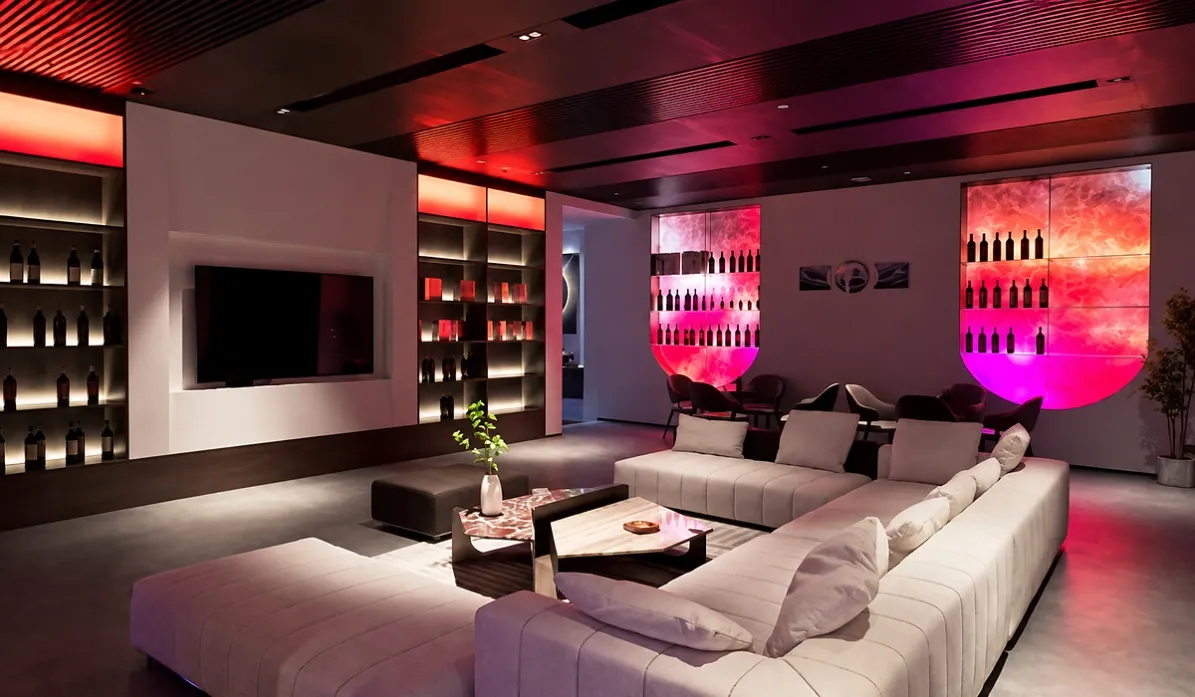
In commercial lighting, hospitality spaces and smart-home projects, designers often face a trade-off. Standard white light meets basic lighting needs but may do little to create a distinctive atmosphere. Conventional RGB lighting is more visually striking, yet high saturation can feel intense and may be unsuitable for prolonged use. As a result, more projects are looking for a better balance between functional lighting and spatial ambience.
Pastel lighting offers a more restrained alternative. Its low-saturation, soft and controllable colours bring a perceptible layer of colour into a space while retaining as much visual comfort and practicality as possible. It is therefore becoming another way for designers and property owners to use coloured light in everyday environments.
This guide explains how conventional coloured lighting differs from pastel lighting, the benefits and limitations of pastel lighting, where it works best, and how to source suitable products.
- What Is Conventional Coloured Lighting?
- What Is Pastel Lighting?
- Benefits and Limitations of Pastel Lighting
- Applications for Pastel Lighting
- Where to Buy Pastel Lighting Products
- Conclusion
1. What Is Conventional Coloured Lighting?
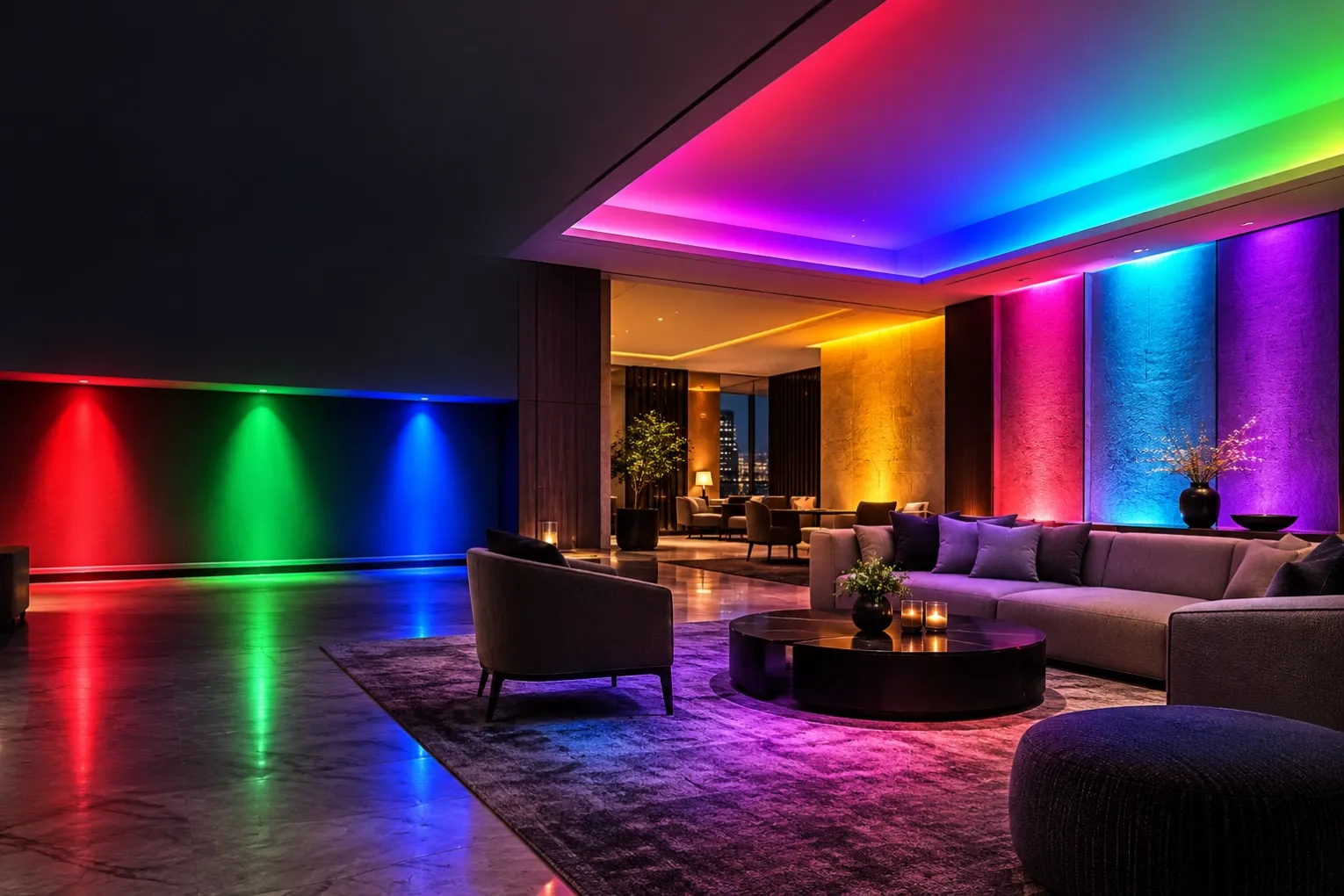
Conventional coloured lighting normally mixes light through three RGB channels. When the red, green and blue channels are each adjusted across 256 levels, they can theoretically produce 256 x 256 x 256, or 16,777,216, colour combinations. This broad colour range and high saturation suit applications that require a pronounced visual effect.
Coloured light can influence mood. Strong colours can create noticeable emotional stimulation and visual impact over short periods, but extended exposure may also feel tiring or oppressive. High-saturation coloured light is therefore better suited to temporary effects or accent lighting and may not be ideal for spaces designed for long stays.
2. What Is Pastel Lighting?
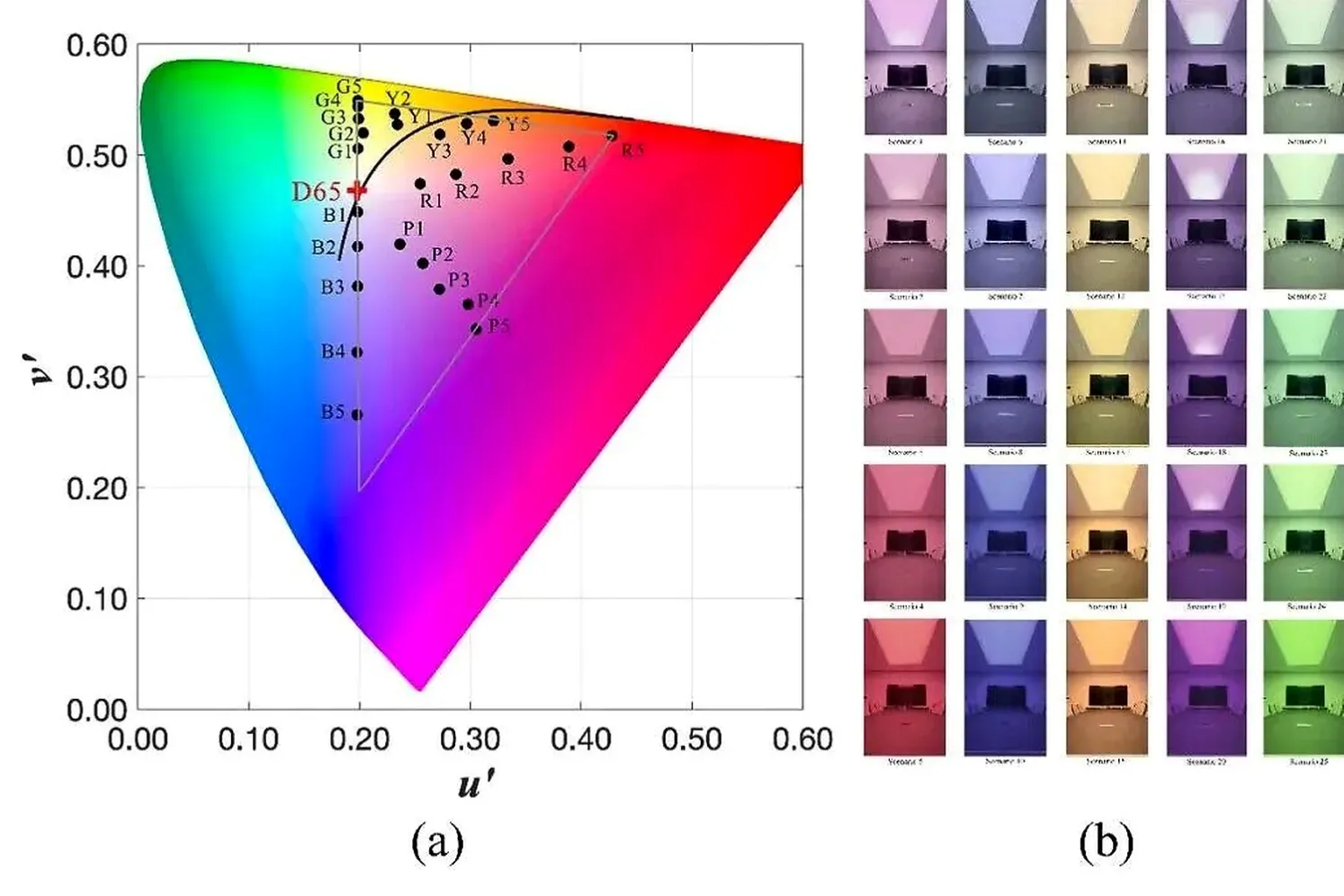
Coloured light that remains within a controlled saturation range, produces soft colours, and supports a positive or calming atmosphere is commonly described as pastel lighting. On the CIE 1931 chromaticity diagram, these colours occupy particular regions, although the exact boundaries still depend on the product definition, application and intended effect.
Compared with highly saturated coloured light, pastel lighting is more restrained. It does not revert entirely to white light, yet changes between pink, blue, amber and violet remain clearly perceptible.
3. Benefits and Limitations of Pastel Lighting
3.1 Benefits of Pastel Lighting
- Colour remains perceptible without dominating the space. Although pastel lighting has lower saturation, the change from standard white light to soft pink, pale blue, amber or light violet is still easy to see. It adds atmosphere while remaining more suitable for extended use than highly saturated coloured light.
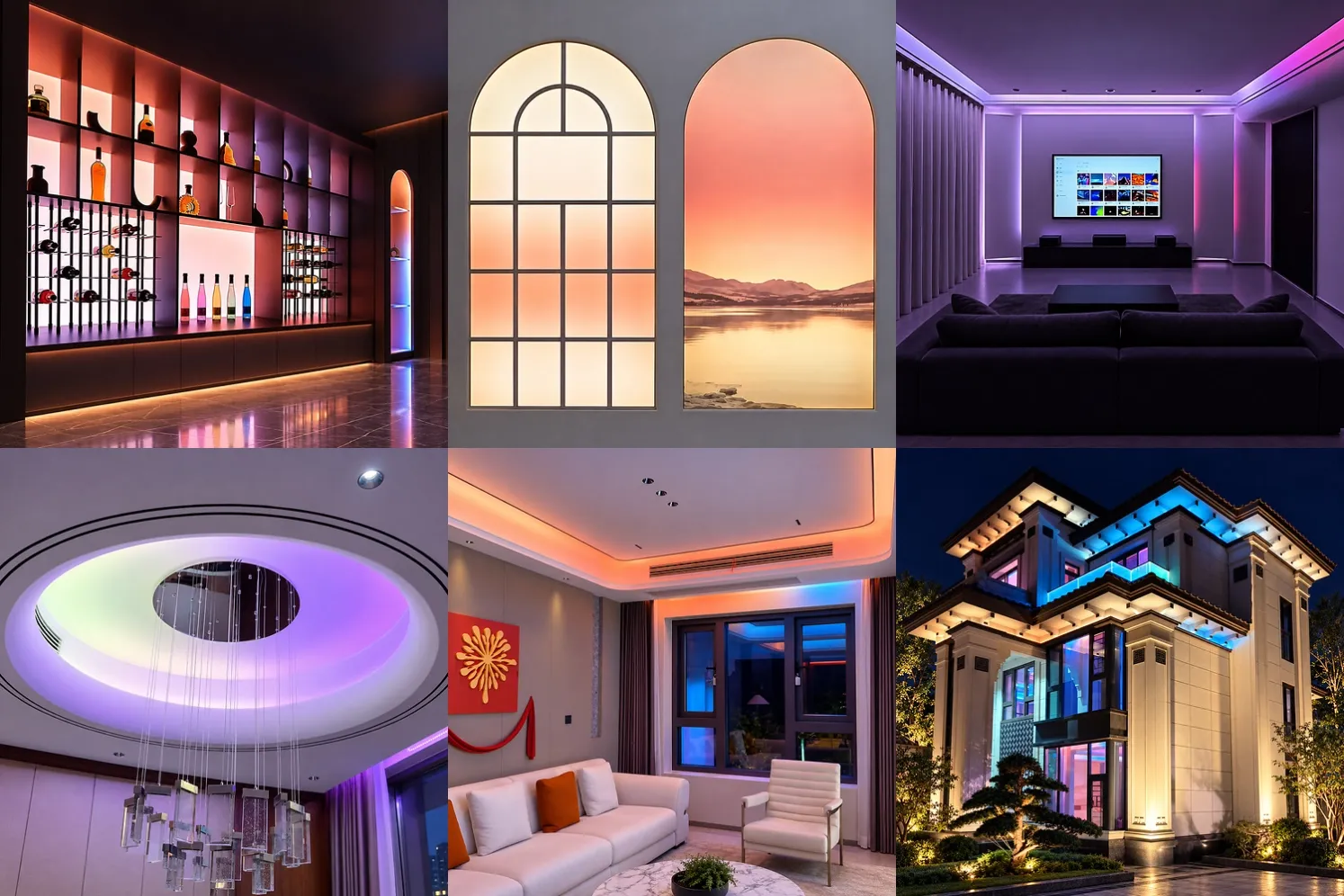
- It can extend into dynamic lighting effects. Some ceiling-based pastel lighting products do more than produce a fixed colour. They can also display blue skies and white clouds, sunsets, dramatic red-orange cloudscapes, or slowly moving nature-inspired light effects. The luminous surface becomes not only a lighting element but also a dynamic visual interface within the space.
- It can support both pastel lighting and everyday white light. Multi-channel light sources and control systems can recombine their channels to produce pastel ambient light, dynamic scenes or everyday white light. One system can therefore cover three needs: functional lighting, atmospheric expression and dynamic content.
White-light performance is particularly important to the long-term user experience. People will not use pastel colours or dynamic scenes at all times, so the lighting should still appear clear, natural and comfortable when the system returns to white-light mode.
3.2 Limitations of Pastel Lighting
Pastel lighting is not suitable for every project. Compared with standard white light or a conventional RGB system, the following limitations should be evaluated before specification.
- Costs are generally higher. Pastel lighting typically requires a multi-channel light source, compatible drivers and a control system. Some projects also require scene programming and sample-light testing. Product, control and commissioning costs are therefore usually higher than for single-colour white light or a simple RGB solution. The actual difference depends on the number of channels, the control method and the scale of the project.
- The range of standard products is relatively limited. The market offers fewer established models than it does for conventional white-light luminaires, LED strips and RGB products. Special dimensions, spectra or control requirements may require customisation, which can also extend lead times and make future replacement more difficult.
- The colour range is limited and cannot replace full-colour lighting. Pastel lighting prioritises low saturation and smooth transitions, so it is not suitable for projects that require highly saturated brand colours, stage effects or strong colour contrast. Where a broader colour range is required, RGB, RGBW and RGBCW solutions should be compared.
4. Where Is Pastel Lighting Most Effective?
The value of pastel lighting lies in allowing colour to shape a space without taking over the viewer's attention. It is particularly well suited to settings that must balance functional lighting, the quality of the stay and a distinctive brand atmosphere.
4.1 Hotels and Dining Spaces
In hotel lobbies, guest rooms, corridors, lounges and dining areas, pastel lighting can distinguish between different times of day and uses. A space might remain clear and bright during the day, then shift to warm tones or low-saturation colours in the evening. This adds depth without materially disrupting the functional lighting.
4.2 Retail and Commercial Displays
Brand stores, shop windows and experience areas need to attract attention, but very strong coloured light can alter the perceived colour of merchandise. Pastel lighting works better as background, outline or localised ambient lighting. For colour-sensitive products such as clothing, jewellery and food, colour rendering and the overall colour cast should be tested carefully.
4.3 Smart Homes and Premium Residences
In living rooms, bedrooms and media rooms, pastel lighting can work with tunable white light to create settings for entertaining, watching films and relaxing. Because residential environments place greater emphasis on comfort over extended periods, priority should be given to low-level dimming performance, smooth transitions, noise and ease of control.
4.4 Cultural Tourism, Leisure and Immersive Spaces
In themed exhibitions, cultural-tourism night experiences, leisure venues and interactive installations, pastel lighting can provide a transition layer alongside more saturated colours, making scene changes feel more nuanced. Projects that include dynamic content or large-scale synchronisation should also assess the control protocol, signal stability and the practical demands of on-site maintenance.
5. Where to Buy Pastel Lighting Products
6. Conclusion
Pastel lighting is not simply coloured light dimmed down. It requires a balance between colour intensity, the white-light foundation, spectral quality and control. It suits projects that need a softer atmosphere and nuanced scene changes, giving spaces gentle, low-saturation colour transitions and a broader range of emotional expression through light.